
Connecting Saudi Arabia and Türkiye by Rail and how Qanoniah helps
.png)
Dana Al Omari
September 21, 2026
Reviewed by
دانا العمري
About the Author
Dana Al Omari
Legal Specialist responsible for the English section in the Legal Innovation Team at Qanoniah , interested in legal technology and its development.
Growing Cooperation in Railway Development
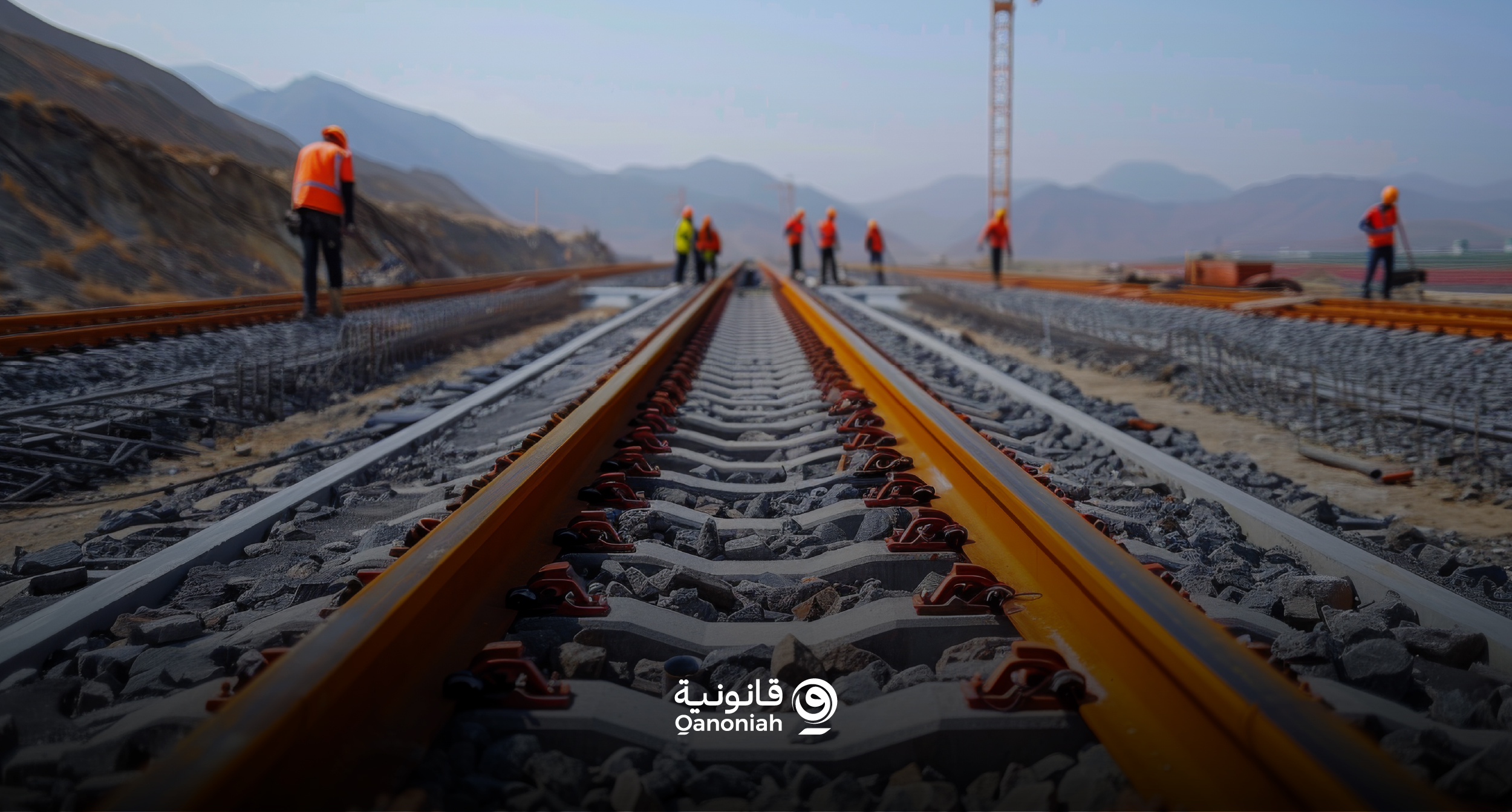
Saudi Arabia and Türkiye have taken steps to strengthen cooperation in the railway sector, reflecting a shared interest in regional connectivity, trade, logistics, and long-term economic development. In June 2026, Saudi Arabia and Türkiye signed a memorandum of understanding concerning railway cooperation. The cooperation covers areas including railway standards, technologies, infrastructure, safety, engineering, operations and maintenance, technical expertise, training, and workforce development. The development has also been accompanied by discussions concerning a potential railway connection between Saudi Arabia and Türkiye through Jordan and Syria. The proposed connection remains subject to feasibility studies, further coordination, approvals, financing, and other project requirements. Accordingly, the proposed railway should currently be viewed as a potential regional infrastructure project rather than as a confirmed or fully funded railway under construction.
The Proposed Saudi Arabia Türkiye Rail Corridor
The discussions concerning a potential Saudi Arabia; Türkiye railway connection envisage a route through Jordan and Syria. Saudi authorities have indicated that feasibility studies relating to the proposed connection are expected to progress during 2026. Turkish officials have also discussed potential implementation timelines, subject to the completion of the necessary studies, arrangements, financing, and approvals. If developed, such a corridor could potentially improve the movement of passengers and goods between the Gulf, the Levant, Türkiye, and potentially wider regional and European markets. However, the eventual route, structure, scope, financing, timetable, and operational model remain subject to further decisions by the relevant authorities and project participants.
Saudi Arabia’s Infrastructure Vision
Railway development forms an important part of Saudi Arabia’s broader infrastructure and economic development objectives under Vision 2030. The continued development of rail infrastructure may support logistics, passenger transportation, connectivity between economic centres, and the Kingdom’s wider role in regional and international trade. Türkiye also has significant experience in railway infrastructure and railway-related engineering and technology. Increased cooperation could therefore create potential opportunities for companies operating in infrastructure, engineering, technology, investment, construction, and related sectors. The nature and availability of any future commercial opportunities, however, will depend on the structure and development of individual projects.
The Saudi Railway Regulatory Framework
Infrastructure and engineering considerations are only one aspect of railway development. Legal and regulatory considerations will also form an important part of any future project undertaken within Saudi Arabia. Railway activities in Saudi Arabia are governed by the Railway Law issued in 2024, which replaced the previous Rail Transport Law. The regulatory framework addresses matters relating to railway activities and provides a basis for regulatory oversight, including areas concerning infrastructure, operations, safety, licensing, and the responsibilities of relevant parties. The Railway Law is supplemented by implementing regulations and other applicable regulatory requirements. The specific requirements applicable to any future project will depend on factors including the nature of the project, the parties involved, the activities being undertaken, and the applicable regulatory arrangements at the relevant time.
The Cross-Border Legal Dimension
A potential railway connection between Saudi Arabia and Türkiye would involve more than one jurisdiction. Any route passing through Saudi Arabia, Jordan, Syria, and Türkiye could therefore require coordination between several legal and regulatory frameworks. Depending on the eventual structure of the project, relevant considerations could include railway standards, safety requirements, interoperability, licensing, customs and border procedures, passenger and freight transportation, infrastructure access, environmental requirements, investment rules, taxation, procurement, and contractual arrangements. The precise legal and regulatory requirements cannot be determined solely from the announcement of railway cooperation or the proposed route. They would depend on the final project structure and the decisions, agreements, laws, regulations, and approvals applicable at the time.
Commercial, Investment, and Procurement Considerations
Major infrastructure projects typically involve substantial investment and complex commercial arrangements. For companies considering potential participation in future railway projects, it may be relevant to assess applicable requirements relating to investment, licensing, procurement, taxation, local participation, technology, and other regulatory matters. Where government entities participate, applicable public procurement requirements may also be relevant, depending on the structure of the project and the contracting arrangements ultimately adopted. At this stage, it would be premature to assume a particular procurement model, investment structure, financing arrangement, or contracting mechanism for the proposed Saudi Arabia; Türkiye connection.
The Importance of Clear Contracts
If the proposed railway progresses to implementation, contractual arrangements will likely form an important part of the project. Depending on the eventual structure, agreements could potentially cover engineering, procurement and construction, operation and maintenance, financing, technology, joint ventures, public-private partnerships, or other forms of cooperation. The allocation of responsibilities, risks, performance obligations, payment arrangements, delays, liability, insurance, termination, applicable law, and dispute resolution would need to be considered in accordance with the relevant project documents and applicable laws. For cross-border projects, additional contractual considerations may arise from the involvement of multiple jurisdictions.
Safety and Environmental Considerations
Railway projects can involve significant technical, safety, construction, and environmental considerations. Any future project would need to take account of the laws, regulations, technical requirements, standards, approvals, and other conditions applicable to its particular activities and location. Safety and environmental considerations may arise throughout the project lifecycle, including during design, construction, commissioning, operation, maintenance, and potential future expansion.
Why Legal Information Matters
As major infrastructure projects develop, access to reliable and current legal information can help businesses and professionals better understand the regulatory environment in which they operate. Platforms such as Qanoniah provide legal information and resources that can assist legal professionals, businesses, investors, and other stakeholders in following developments across areas such as transport, investment, procurement, and infrastructure. Legal information can support informed decision-making, but the applicability of particular laws and regulatory requirements will depend on the circumstances of each project and should be assessed in light of the relevant legislation, regulations, official guidance, agreements, and professional advice where appropriate.
Conclusion: Understanding the Legal Landscape
The strengthening of railway cooperation between Saudi Arabia and Türkiye represents a potentially significant development for regional connectivity. The proposed connection through Jordan and Syria could, if ultimately developed, create additional opportunities for the movement of goods and passengers between the Gulf, the Levant, Türkiye, and wider markets. At the same time, the project remains subject to further feasibility work, governmental coordination, financing, approvals, and decisions concerning its eventual structure and implementation. For businesses and professionals following these developments, understanding the applicable legal and regulatory environment will be an important part of assessing potential opportunities and obligations.
At Qanoniah, we believe that access to clear and current legal information can help businesses and professionals better understand the regulatory landscape surrounding major infrastructure and investment developments.
.webp)